Of all the health and wellness trends, exposing yourself to cold, sometimes freezing water has got to be the least favored. It doesn’t have the same appeal as a zen yoga session, a relaxing sauna or even a 5k or 10k with a friend. The truth is, most of us have gone out of our way to avoid cold water exposure throughout our lives. You head to the beach but if the water is too cold, you just hang back. The water heater breaks or worse, your favorite cousin is in town and he used all the hot water. You think to yourself, do I really need to shower everyday?
Like it or not, cold water has been a part of the human experience for as long as we have been on this planet. From bathing to hunting and fishing, traversing waterways, to simply having fun in the water, cold water to some degree was a natural part of life. Natural sources of water vary quite a bit in temperature. Ocean surfaces are typically in the low 60F range but can be near freezing near the Poles and well into the 80F’s in the tropics. Lakes and rivers typically range from 40F up to 75F.
Some of these temperatures are very tolerable, others are much less so. Regardless of the type of water we were exposed to and its temperature, heated water and natural sources of warm water were very rare. Our ancestors did not enjoy the same luxury of heated water we enjoy today and have so just since the early to mid 1900’s.
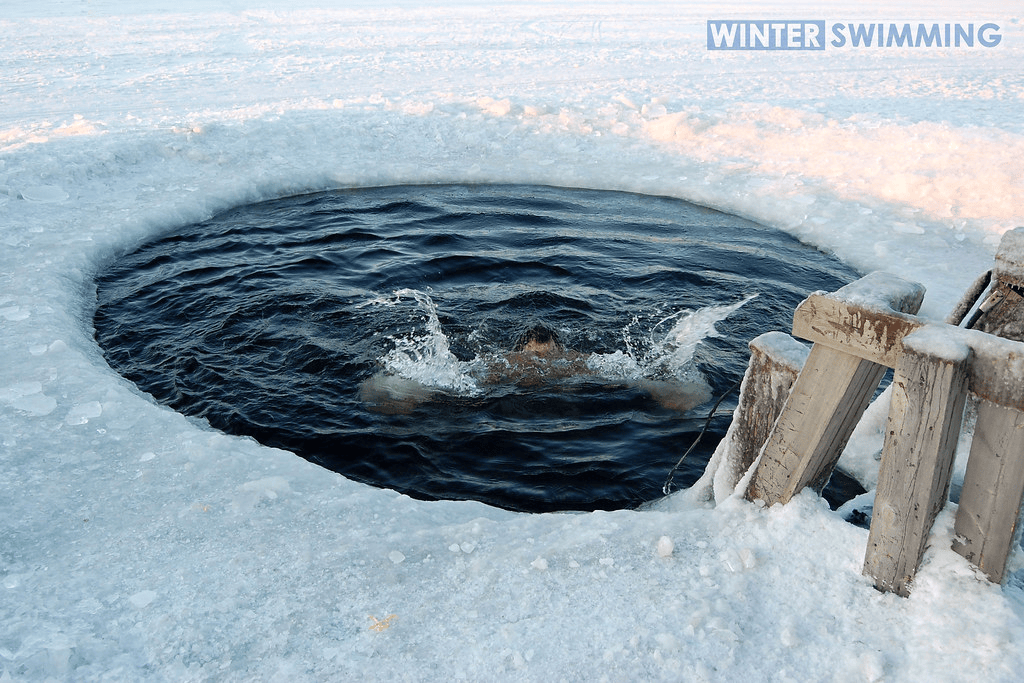
With our long running history of cold water exposure, what benefits are offered?
Medically, cold exposure was first recorded in the Edwin Smith Papyrus as a treatment for inflammation, skin conditions and abscesses dating back to 3500 BC and was later used by Hippocrates as early as the 4th Century BC for similar purposes. In recent years, research has started to pick up and discover the mechanisms of action and real world benefits from deliberate cold exposure, in particular, with cold water immersion (CWI).
Despite the competition you see online for the coldest tub imaginable or the iciest plunging spot found in nature, most studies on CWI focus on milder temperatures in the 10-15C or 50-60F range. Some studies are conducted at even colder temps such as 4-5C or ~40F but not as many as the former. Within the 4-15C (39F-60F) range, CWI is showing promise to aid our health in a number of key areas:
Inflammation. Just like the ice pack you applied to a swollen ankle, full body cold exposure has been shown to reduce inflammation and assist in reducing muscle soreness and fatigue. This can aid total body recovery from intense workouts and is ideal for athletes or those experiencing delayed onset muscle soreness(DOMS) 1 or more days after training or can be used as a preventative strategy for DOMS. [For those hyper focused on muscle gains, waiting 4+ hours post strength training is recommended to not blunt the beneficial aspects of inflammation stemming from resistance training.]
Brain and cognitive health. This has to be the most well recognized benefit from cold water exposure and the area that still needs more research to further elucidate the full benefits. For now, we know that the shock you feel when you enter the cold water induces a rush of neurotransmitters such as dopamine, up to 250% above baseline, norepinephrine and endorphins to induce a feeling of better focus and mental energy and alertness. The feelings of alertness and greater energy tend to last several hours beyond the cold exposure period. More research is needed to uncover how much dopamine is increased in the brain and not just the body but also how consistent cold exposure can impact long term cognitive functioning and health.
Cortisol and stress resilience. Often demonized for being the stress hormone, cortisol plays an important role in our health and like many hormones, needs adequate balancing. Cortisol either remains steady or slightly elevated in most cold water studies, temperature and duration dependent, but has shown to be lowered for a period of 3+ hours post cold water immersion(1).
Another study on cold water swimming vs cryotherapy revealed a significant drop in cortisol after just 4 weeks in both groups while epinephrine levels continued to rise after each bout of cold(2). This cortisol reduction and stress adaptation response may help us better manage stressors in our life. If the cold is acting as a training system for our nervous system to respond to stress in a more level manner, this may carry over to our physiological stress response to other challenges in life that do not relate to cold.
Immune System. If the body responds better to stress from cold exposure, how is our immune system responding? CWI does boost the production of white blood cells and a recent study from 2024 on cold showers, taken for 90 days, demonstrated a boost in antibodies and cytokines involved in cellular and humoral immunity (3).
Another interesting large randomized trial involving 3,018 people had participants take a 30–90 second cold shower at the end of their normal shower for 30 days. The cold shower groups had a 29% reduction in reported sickness absence from work (4). The authors of the first immune study noted that the cold shower may prime the immune response and the larger secondary trial further points in the direction of CWI as a means to boost immunity.
Metabolism, AMPK and Brown Fat. Shivering is a natural response to cold and is a means to keep the body warm and prevent hypothermia. It also is a small hack to further burn calories, and more importantly, aids in the upregulation of a master regulatory enzyme known as AMPK. This enzyme is upregulated from cold water exposure, regardless of whether you shiver or not. Most importantly though, AMPK improves many areas of well being, from mitochondrial health to blood sugar control, cellular cleanup and fat burning.
As we begin to adapt to the cold, our body is less likely to shiver and instead relies more upon brown fat stores to stay warm. Increasing brown adiposite tissue(BAT) is another beneficial adaptation from CWI. However, BAT is not just an internal furnace. Increasing BAT activity can influence glucose metabolism, lipid(fat) metabolism, mitochondrial activity, and whole body energy expenditure.
Genes and the Future. The way in which we live affects which genes in our bodies are expressed, turned on or off. Gene expression has a profound impact on our healthspan and our lifespan. CWI activates various gene pathways in the body to aid better health now and possibly a longer life to come. Previously, we discussed that CWI activates the enzyme AMPK but we also know that another important enzyme, PGC-1α is activated as well. PGC-1α is really the one doing most of the work though and may assist in longevity. As we age, PGC-1α levels naturally decline. However, with cold exposure, we upregulate this master enzyme that aids in creating new mitochondria(key drivers to slow cellular aging), upregulating important antioxidants, shielding against DNA damage, protecting against neurodegeneration and preserving muscle as we age.
Additionally, cold shock proteins like RBM3 are expressed in response to CWI. RBM3 helps protect neurons and preserve brain synapses as well as improving cellular resilience to stress.
Aging is a complex process and upregulating various genes and cold shock proteins may be helpful but more research needs to be conducted. This is the exciting future of CWI and in the coming years, researchers hope to determine how much the cold can trigger health and lifespan changes.
Grit: One of the last and possibly most overlooked benefits of CWI is how it challenges and shapes us. I’ve witnessed countless newbies to cold plunging psych themselves up just before they jump in and the following pride (and shock) on their faces after they completed the challenge. I think we know too much comfort is not the best way to live and perhaps, cold exposure, is one way to overcome that reliance and regain some of the toughness and grit our ancestors possessed.
The Protocol
While the research can vary on exact temperature and time, I recommend finding a moderate challenge for yourself. Just like your first time lifting weights, you don’t try to bench press the moon but instead start with what is challenging for you and build from there. Even a moderately cold shower or a 55F plunge for 15-30 seconds a couple of times a week is a great place to start. Hopefully, the exhilarating feeling of being alive, from the CWI high you feel, motivates you to go a little colder or a little longer next time. The goal is building up to a few sessions a week lasting anywhere from 1-5 minutes at a temperature that challenges you.
Morning vs Night. The body responds to cold stress by heating back up and thus morning or earlier in the day is more ideal. Later in the day, the body wants to be cooling down, not heating up. Since the brief cold exposure triggers an opposing heating response from the body, CWI too close to bed time may interfere with sleep.
From late night studying to living.
The first time I was introduced to CWI was back in college. A professor recommended we try a cold shower as opposed to downing another cup of coffee as a means to stay alert and sharp as we were pulling an all nighter studying for our final exams. Regrettably, it took me some time to actually give the cold shower a try but when I did, I immediately noticed the benefits my professor was raving about. Initially, I slightly turned the cold dial up on the shower and the hot water dial down to feel moderately cold water for 15 seconds. It wasn’t so bad and I started working my way up to 30 and 60 seconds with the water becoming a little bit colder every other shower. As the showers became more tolerable, as a way of challenging myself, I wouldn’t let myself leave the shower until I did 1-2 minutes of cold. I always started and usually ended warm but had to have my cold water time before I got out. This became my routine for a couple of years.
Later, I moved to South Florida where cold showers don’t exist and thus I had to find another route. I found a gym with a cold plunge and started plunging in cold water 3-5 times a week for 1-5 minutes. The water was cold, anywhere from 37F-45F, and without my shower experience, I don’t think I would have been ready for those temperatures. Now, CWI is a pivotal part of my health and wellness routine. Without it, I don’t have the same mental clarity, energy and resilience. The challenge is always there as the cold water shock never truly leaves you but that’s what makes the plunge so beneficial and worth the 60-300 seconds of cold bliss. Afterwards, I truly feel more alive and that’s enough for me to keep coming back for more.
 DunbarFit
Leave a comment