Apparently, everyone is dehydrated and in need of more electrolytes! Everywhere you turn, there is an ad, an influencer or an electrolyte packet right at the checkout, reminding you how dehydrated you are. For decades, electrolytes were limited to sports drinks to help fuel athletes and replenish what was lost through sweat. Now, it is more taboo to not consume an electrolyte enhanced beverage than it is to load up on the extra hydration.
Are electrolytes really a missing component of health and hydration?
If we go back to science of the early to mid 20th century, athletes were instructed to consume salt packets mixed with water to further enhance hydration and replace what was lost through sweat. Salt is composed of a balance of sodium and chloride. Two key electrolytes the body loses while sweating. These electrolytes, sodium in particular, are key to helping the body retain water, keep blood volume stable to help fuel working muscles and assists nerves and muscles to fire properly and avoid cramping. Notably, more salt consumption was a sound idea for athletes.
Years later in 1965, researchers out of the University of Florida, led by Dr. Robert Cade, discovered that adding carbohydrates to a salty drink enhanced the absorption of the sodium and chloride as well as the drink’s effectiveness. They mixed glucose(sugar) with potassium and phosphate(two additional electrolytes) together with the salty water to aid exhausted and dehydrated football players. The mix was a hit and became credited for helping the Florida Gators win the national title the next year. Gatorade was born and soon took over the sports world and eventually, the consumer sports drink market.
Fast forward to today and sports drinks are now competing with electrolyte brands around the world to not only fuel hydration for athletes but for everyday folks. But the real question is whether any non-athlete needs these electrolytes or not to aid health and hydration?
Initial claims pointed to 75% of Americans walking around day to day in a dehydrated state. However, this was never backed by science. While the exact number is unknown, most folks do get enough fluids through food, water and other beverages. If you are feeling more dehydrated than usual, it’s likely due to water and electrolyte loss from sports activity, hot yoga, sauna, sickness, being hungover or just being too busy to drink or eat enough and fortunately, we do have data on how to help rehydrate you faster.
The Beverage Hydration Index(BHI) can help us better understand what types of beverages influence water retention and hydration status. Water receives a score of 1.0 and anything above will hydrate more effectively than water. Milk and medically designed Oral Rehydration Solutions (ORS) score ~1.5+ whereas most other beverages including sports drinks, coffee, tea and others score near the same as water. The caveat being that beverages, such as those focused on hydration, that include carbohydrates(often sugar) plus electrolytes or protein plus electrolytes seem to hydrate better than water.
Why not just rehydrate with Oral Rehydration Solutions or milk?
If ORS beverages and milk hydrate the best, why not consume those more often? For athletes, milk has obvious downsides regarding digestion and GI distress during exercise. For everyday usage, there is also the concern of dairy insensitivities or intolerances as well as simple personal preference. Also, milk is often seen more as a food item in liquid form with protein, fat and carbohydrates included, rather than a light beverage. Otherwise, if tolerated, milk can be a helpful aid in hydration and does contain natural electrolytes.
Oral rehydration solutions contain high amounts of sodium and potassium and a decent amount of sugar in the form of glucose based upon clinically studied ratios to maximize hydration. They have primarily been used for severe dehydration from sickness or severe water loss. An ORS may make sense for rapid recovery from a very intense post exercise/sauna session, recovery from the flu or similar sickness or a bad hangover. ORS specific powders mixed with water can be purchased or a simple formula with water, salt and sugar can be made at home.
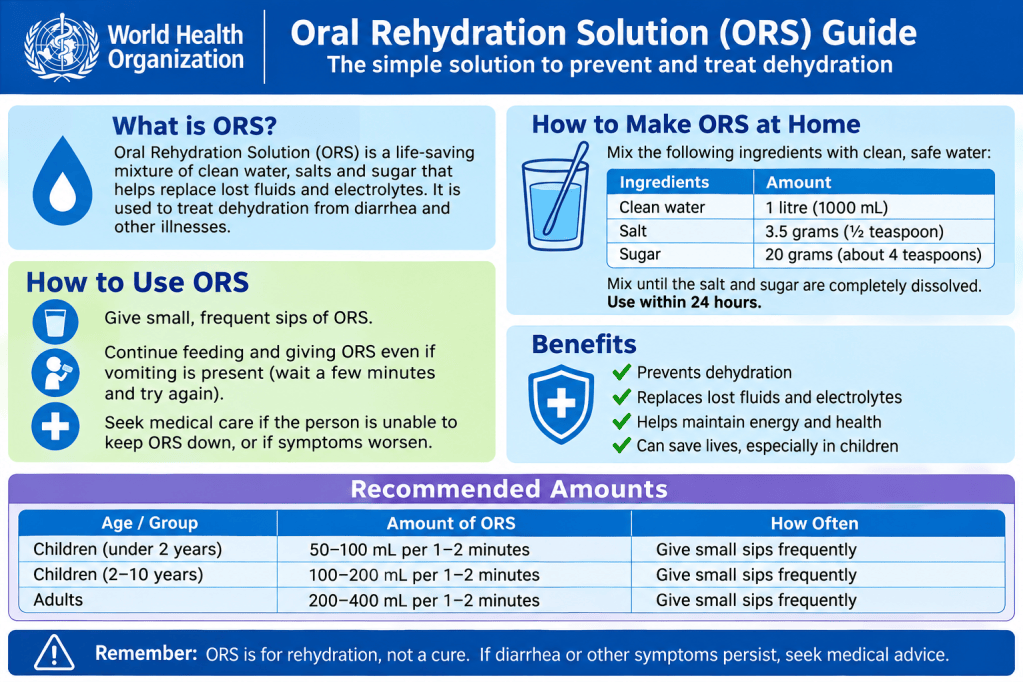
Keep in mind, electrolyte powders and pre-made electrolyte drinks have a wide variety of concentrations of sodium, potassium, sugar and other components. They rarely have the same clinically studied dosages as ORS drinks and that is typically a good thing. Consuming such high levels of sodium or potassium can cause quite a bit of harm, especially over time. Studies consistently demonstrate too much sodium elevates blood pressure and increases the risk for cardiovascular harm, stroke risk and potentially kidney damage. The general recommendation is 2.3g of sodium per day while some organizations like the WHO recommend only 2g. Yet, the average American is consuming well over the recommended amount, at 3-4g per day.
Typical Electrolyte Label:
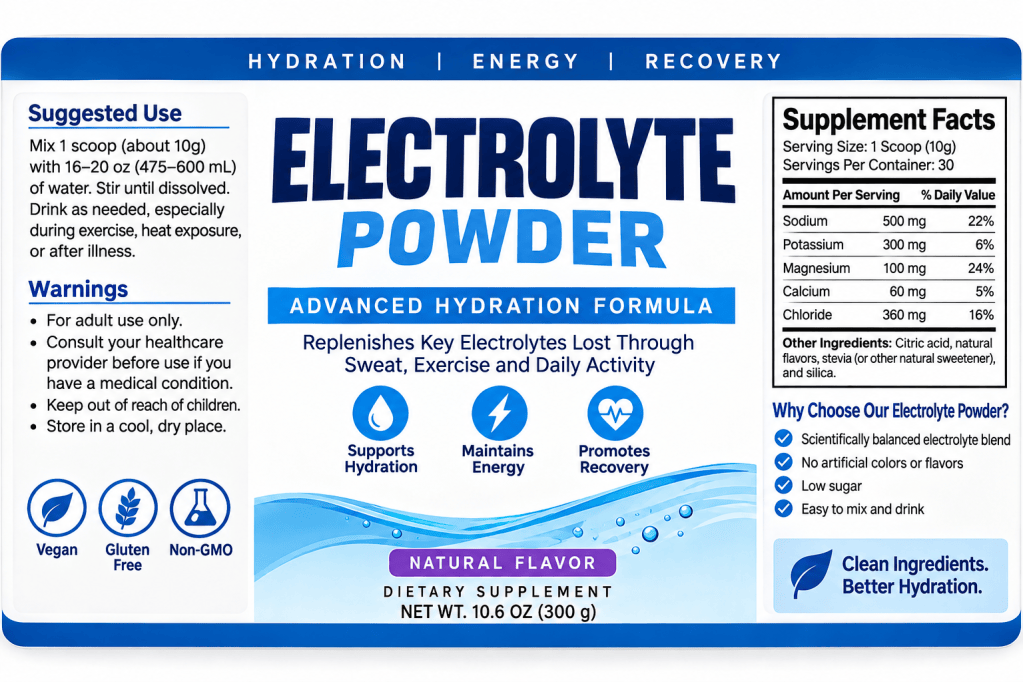
This further complicates the benefit or harm from consuming electrolyte enhanced beverages. If you choose one with quite a bit of sodium, you are now further adding to a likely already elevated sodium intake into your diet. Not to mention, the range of sugars included or not can affect total daily and weekly sugar intake. Added refined sugars carry their own risks and harm.
For an everyday person, the high amounts of sodium and added sugars outweigh the hydration benefits in most cases making an electrolyte pack or drink a potential net negative. Now, you may be able to find 0 sugar and lower sodium options and that can be a safer alternative, but is it even needed at that point or is a typical diet sufficient?
Magnesium
Another commonly added electrolyte is magnesium. Roughly half of Americans consume too little magnesium. Magnesium is important for a strong cardiovascular system, nerves, muscles, and bones. The challenge is that electrolyte powders and drinks contain anywhere from 1% of our daily value up to 89% making it hard to rely upon an electrolyte solution for consistent added magnesium. If supplementing with magnesium is desired, using a magnesium specific supplement where you control the dosage you consume is a more effective strategy.
The reality for most is that sodium, chloride, magnesium, potassium, calcium and other commonly added electrolytes can be found in a well balanced diet. Supplementing them in an electrolyte beverage can help if you are able to navigate how much of each you really need and what is being provided in that particular electrolyte formula, however, that’s a tough science experiment to be continuously running. Outside of times when you are very low in electrolytes from sweat, a ketogenic diet, sickness or alcohol consumption, aiming for a balanced diet is a more realistic approach to ensure you are consuming sufficient minerals and electrolytes.
The Genetic Monkey Wrench
If you are in a situation where you are sweating intensely and losing sodium and other electrolytes, how much should you add to your diet? The problem is that sodium loss via sweat can vary from person to person by up to 10x. From 200mg to 2,000mg lost per liter of sweat. That makes it very challenging to know how much to consume. For serious athletes, there are sweat patches you can wear while exercising to test how much sodium and other electrolytes you are losing in your sweat to give you a better idea of how much to consume.
For anyone else, you can take note of how salty your sweat tastes or pay attention to how much salt shows up on your clothing. Salty sweat tends to sting your eyes or cuts as well. Lastly, if you are more prone to cramping, feeling run down or light headed after exercise compared to your peers, or just crave more salty foods post sweating, you may be an extra salty sweater and can experiment with adding more salt to your food or from an electrolyte product.
From My Protocol to Yours:
I sweat as easily as a person can sweat. A couple minutes outside on a humid day and I can feel myself perspiring. Combine a humid climate with exercise and hot yoga or a sauna session a few days a week and I am losing sweat and electrolytes much faster than I can easily replace them. I still aim to consume most electrolytes through my diet but I use balanced electrolyte packs to help replace what I am sweating out.
In addition, most dietary salt intake is not from salting your food but from processed foods, fast food or eating out in general. I cook 90%+ of my food and hence can use the added sodium and electrolytes. If you are in the same boat, electrolyte packets with sodium may help out post sweating sessions. If not, and you still want the added electrolytes, there are lower sodium formulas typically marketed as low sodium.
Added sugars do help with hydration but are really only needed in times when you need to rapidly rehydrate. During those times, an electrolyte product with added sugar will expedite hydration speed and effectiveness and may make the sugar worth it. Otherwise, in general I recommend avoiding added sugars in electrolyte formulas.
In summary, choosing when to include electrolyte products into your routine, if at all, requires a little inventory of your diet and lifestyle. Like most health advice, it needs to be personalized to your life and your body’s needs. Take note of how much you sweat and if you think it’s extra salty. Take note of your salt intake from home made food, processed food and eating out. Put those together to decide if adding sodium and electrolytes to your routine are likely helpful. Remember, healthy living is a practice and there is no fault in changing. In fact, modifying your habits based upon how your body responds and how your life changes is the goal of health optimization. To salt or not to salt, is a lifelong question.
 DunbarFit
Leave a comment